


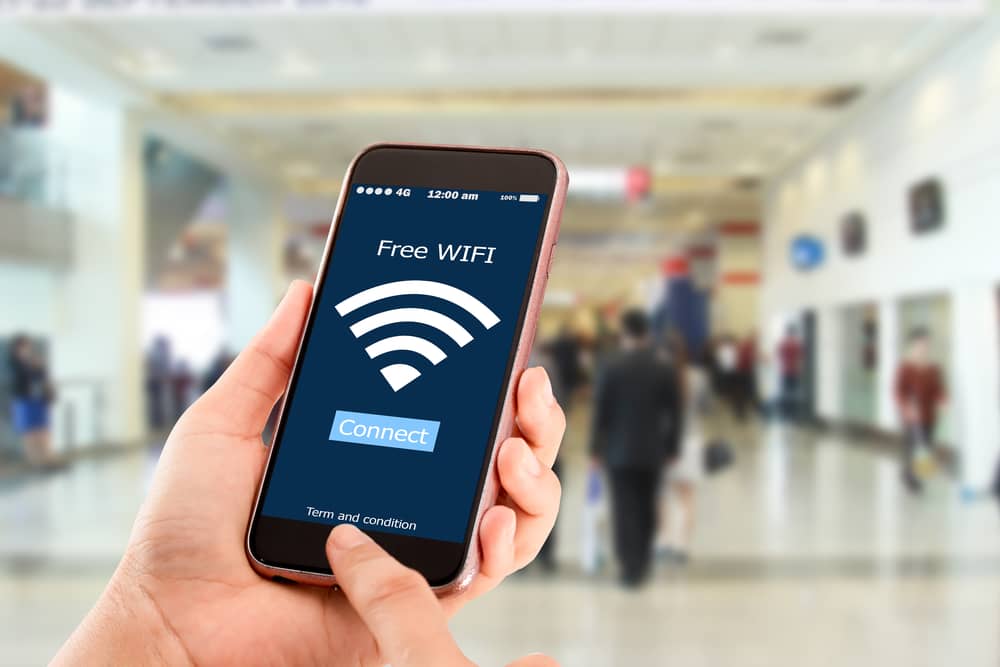
If you live in the U.S., chances are you’ve connected to free public Wi-Fi several times this week without giving it a second thought. Airports, cafés, conference halls, hotels — it’s everywhere, and it feels too easy to resist. But behind that convenience is a problem most people never see coming.
Why These Networks Aren’t Actually Safe
Here’s the real issue: free public Wi-Fi isn’t built with your protection in mind. These networks are wide open. Anyone nearby can join, and you have no idea who’s sitting there quietly watching traffic flow across the connection. Hackers love these environments because everything looks normal on the surface.
In 2025, cybercrime in the U.S. has skyrocketed not because people are reckless, but because systems like free public Wi-Fi make it incredibly easy for attackers to slip in unnoticed.
Man-in-the-Middle Attacks: The Silent Threat
One of the biggest dangers is how effortlessly a hacker can create a fake version of a network. You think you’re joining “Hotel_Guest_WiFi,” but you’re actually connecting to a clone someone created a few feet away. The moment you click, all your online activity is flowing through their device.
Emails, messages, banking tabs — anything unencrypted becomes exposed. And they can do this without advanced tools, just patience and opportunity.
Daily Habits That Put Americans at Risk
Americans are busy. We check our banking in line at Target, we send work files at airports, we hop onto whatever network pops up first. That’s why free public Wi-Fi becomes a perfect trap.
You don’t have to be reckless to end up exposed.
Most of the time, it happens on the days you’re hurrying and not thinking twice.
A quick tap, a rushed connection, a moment of “I’ll just check this fast.”
That’s all it takes — not carelessness, just being in a rush.
What You Can Do to Protect Yourself
The good news is the solutions are simple:
- Never log into sensitive accounts while on free public Wi-Fi
- Use a VPN, even a basic one
- Turn off auto-join features on phones and laptops
- Avoid online shopping, banking, or email logins in public hotspots
- Forget networks after using them
These small steps block the biggest risks.
A Smart Approach to Everyday Digital Life
It’s not about fear — it’s about awareness. We lock our cars, our homes, our offices because it’s sensible, not paranoid. Think of free public Wi-Fi the same way.
Use it when you really need it — there’s nothing wrong with that.
Just don’t forget what it actually is: a wide-open space anyone can walk into.
Think of it less like a cozy, private corner and more like a busy room full of strangers.
The moment you see it that way, you’ll use it a whole lot more safely.
A little caution goes a long way.
It keeps your information from ending up where it shouldn’t be.
It protects the parts of your life you don’t want strangers touching.
And honestly, it guards your identity far more than most people ever realize.
