


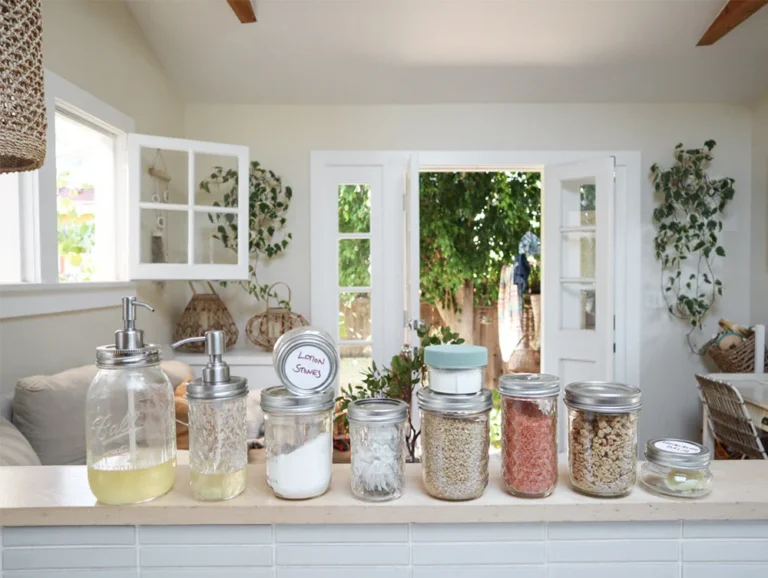
Some changes in life happen loud — like a house renovation or buying a new car. Others? They happen quietly. You finish the last roll of paper towels and… you don’t buy another. You stop tossing apple cores into the trash and start giving them a second life. You pick the shampoo bar just because it doesn’t come wrapped in enough plastic to build a small boat. That’s how a low-waste life sneaks in — not with a bang, but with a slow, steady shift.
The Kitchen: Where It All Starts
If there’s one room in every house that seems determined to generate waste, it’s the kitchen. Boxes. Wrappers. Bags. Single-use everything. But ironically, it’s also the easiest place to start making a dent.
The biggest shift isn’t complicated. It’s swapping paper towels for cloths. That’s it. Leave them in a little basket on the counter so you can grab them without thinking. The first few days, you might forget. But then one morning, it just clicks.
Composting is another quiet game changer. Doesn’t need to be Pinterest-pretty. Just a small bin on the counter or by the sink. You’ll start noticing how much doesn’t have to end up in the trash. Eggshells. Banana peels. Coffee grounds. Gone from garbage to something good.
Little steps. Big impact. That’s the whole vibe of a low-waste kitchen.
The Cabinet of Chaos (aka Under the Sink)
Let’s be honest — this is where half-empty cleaning bottles go to disappear. That jumble of sprays and sponges is an easy target. One good reusable spray bottle and a pack of dissolvable cleaning tablets can clear a lot of space. Add water, pop in a tablet, and suddenly your cabinet isn’t bursting at the seams.
Switching from sponges to compostable scrubbers or bamboo brushes? Not glamorous. But real. And it means less trash and more tools that actually last.
Bathroom: The Sneaky Waste Zone
You think, “It’s just a few bottles.” Then you look closer. Shampoo. Conditioner. Body wash. Toothpaste tubes. Cotton pads. Q-tips. A small mountain.
This is where low-waste swaps shine. Shampoo bars, safety razors, toothpaste tablets — they sound a little weird at first, but they work. And once you start, they become part of the routine. You stop buying bottle after bottle. You start realizing how much packaging was just… habit.
Even reusable cotton rounds feel like a tiny win every night when you’re not tossing one more thing in the bin.
Where Waste Really Begins: The Store
This part trips people up. We think trash starts at home. It doesn’t. It starts at the checkout line.
That’s the real magic of intentional shopping. You don’t have to hunt down a zero-waste boutique (though, if you’ve got one near you, jackpot). Just reach for the less-packaged option. Or the bulk version. Or, honestly, the thing that won’t leave five layers of plastic in your recycling bin.
When you do that enough, you’re not just living low-waste — you’re preventing the waste before it even gets to your house.
Reuse: Awkward at First, Natural Later
This is the part no one tells you. You’re going to forget your tote bag at least three times. You’ll stand at the checkout line with a guilty smile. Happens to everyone.
But then it becomes automatic. The bag lives in your car or by the door. Your reusable cup isn’t something you remember — it’s just part of your day. The awkward fades fast.
Fixing Instead of Tossing
This might sound small, but it’s one of the most powerful mindset shifts. A chipped mug doesn’t need to be replaced. A loose chair leg doesn’t need to end up at the curb. Fixing things gives your home a heartbeat. It says, “This is mine. I take care of it.”
And guess what? That’s low-waste too — maybe more than any reusable bottle you’ll ever own.
The Waste You Don’t See
Not all waste ends up in the trash can. Some of it hums in the background. Lights left on. Chargers that sip power even when you’re asleep. Drafty windows quietly eating up energy.
These little things are easy to ignore because they’re invisible. But sealing up that draft, swapping old bulbs for LEDs, unplugging the vampire electronics? That’s sustainability that doesn’t ask for perfection.
You Will Mess Up (And That’s Fine)
Here’s a truth: nobody does this perfectly. Some days you’ll grab a disposable coffee cup. Some weeks your compost bin will sit empty because… life. And yes, some orders will show up wrapped like a nesting doll of packaging.
That doesn’t make your effort worthless. A low-waste lifestyle isn’t graded like an exam. It’s about the overall direction. You’re allowed to stumble. What matters is that you keep going.
Doing It Together Works Better
This isn’t something people talk about enough. Change sticks when it’s shared. A neighbor who trades extra jars. A friend who brings their own coffee cup too. A coworker who shares where to refill soap.
Community turns low-waste from “just a thing you do” into something that quietly spreads.
The Beauty of the Shift
Here’s the funny part — there’s no “finish line.” No day where your trash can vanishes and someone gives you an eco crown. What happens instead is subtle. Your home just feels lighter. Less clutter. Fewer rolls, boxes, bottles.
A low-waste home doesn’t look like a magazine spread. It just feels like breathing easier. It’s about less noise, less junk, less mindless buying.
And that… is the point.
Start small. Start messy. Start wherever you are. One swap at a time.
