



What Are Home Solar Panels?
Home solar panels are devices designed to convert sunlight into usable electricity for household consumption. They are typically installed on rooftops, although ground-mounted systems are also common. Each panel is made of photovoltaic cells that capture sunlight and transform it into electrical power.
Over time, solar technology has evolved significantly. Modern systems are more efficient, durable, and aesthetically pleasing, making them a practical option for a wide range of homes.
Why Solar Panels for Home Use Are Becoming Popular
The popularity of panels for home energy has grown rapidly due to several key factors:
- Rising electricity prices
- Improved efficiency and durability
- Environmental concerns
- Government incentives and tax credits
- Increased recognition that solar can raise property values
These factors combined have created a surge in residential solar installations.
How Do Home Solar Panels Work?
The Basic Science Behind Solar Energy
At the heart of every solar system is the photovoltaic process. When sunlight hits the solar cells, it releases electrons that create an electrical current. This current is then transported to an inverter, which converts the electricity from direct current (DC) to alternating current (AC). AC power is what your home appliances and electrical devices use every day.
Key Components of a Home Solar System
Solar Panels
These are the main collectors that convert sunlight into electricity.
Inverter
This device changes DC power produced by the panels into AC power for home use.
Mounting Equipment
Racking and mounting systems secure panels to your roof or property.
Electrical Panel
The converted energy flows through your home’s electrical panel to power appliances.
Net Meter
If your system produces more energy than you use, the excess can flow back into the grid. Many utility companies offer credits for this through net metering programs.
Day-to-Day Function of Residential Solar Systems
On a typical day, home solar panels generate electricity as soon as sunlight reaches them. The power produced reduces your reliance on the grid, lowering your electricity bill. During peak sunlight hours, some systems generate more electricity than the home needs. This extra energy can be stored in batteries (if your home has them) or sent to the grid.
At night, when panels are not generating power, your home uses grid electricity unless you have stored energy available in batteries.
How Much Are Solar Panels for Homes?
Pricing Breakdown
The cost of solar systems varies based on several factors, including:
- Size of the home
- Energy usage
- Type of panels chosen
- Local labor costs
- Additional features like batteries
On average, installing solar panels for home use involves a significant upfront investment. However, federal and local incentives may help reduce the initial expense. Many installers also offer financing options, making solar more accessible to homeowners.
Long-Term Financial Benefits
While the upfront cost can be substantial, the long-term financial benefits often outweigh the initial investment. Many homeowners experience a dramatic reduction in monthly electricity bills. Over the lifespan of the system, which can exceed 25 years, the savings can amount to tens of thousands of dollars.
Additionally, with electricity rates steadily rising, locking in lower energy costs through solar becomes an even more valuable investment.
How Much Is Solar Power for Homes?
Understanding Solar System Pricing
The total amount homeowners pay for solar power depends on the size of the system required to meet household energy needs. Larger homes typically require more panels and therefore cost more. Solar system pricing also depends on materials, installation complexity, and whether the home incorporates battery storage.
Despite variation in pricing, many homeowners find that solar energy pays for itself over time. The payback period often ranges between six and twelve years, depending on local energy costs and incentives.
Additional Costs to Consider
While the core system makes up the majority of expenses, homeowners should also consider:
- Potential roof upgrades
- Maintenance and monitoring
- Optional battery storage
- Permitting and inspection fees
These costs vary by location but are essential to understanding the total price of solar energy for homes.
Do Solar Panels Increase Home Value?
The Relationship Between Solar and Property Value
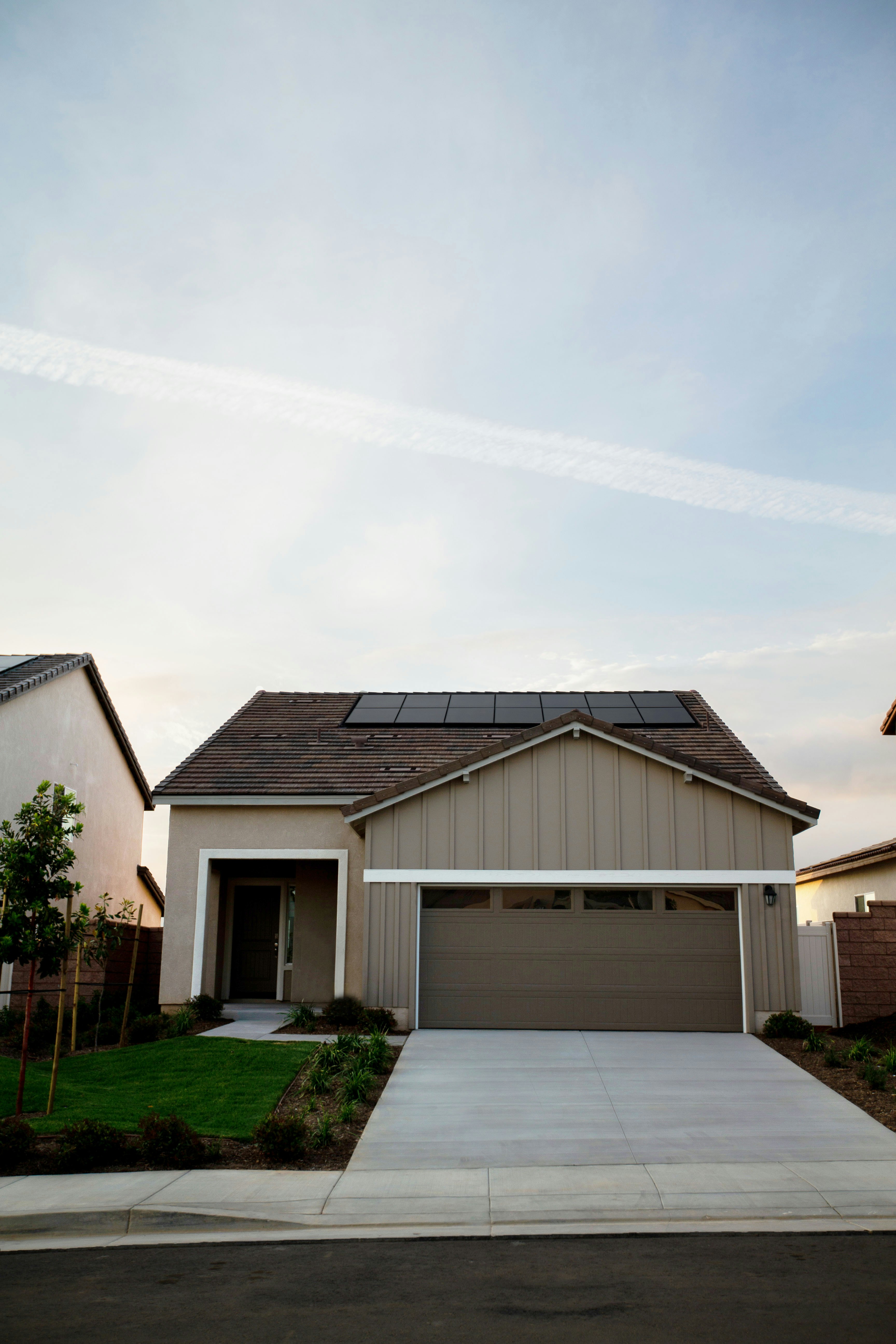
One of the most common questions homeowners ask is whether adding solar panels increases home value. In many regions, the answer is yes. Homes equipped with solar systems often sell faster and at higher prices compared to homes without solar installations.
Prospective buyers appreciate the long-term savings and energy independence that solar offers. Lower electricity bills and environmentally friendly features make solar-powered homes attractive options in competitive housing markets.
Why Solar Increases Property Value
There are several reasons solar can raise a home’s value:
- Reduced energy costs
- Modern, sustainable home features
- Increased attractiveness to eco-conscious buyers
- Perceived long-term value of renewable energy
Solar-equipped homes often stand out, especially in areas with high energy costs or strong environmental awareness.
Does Solar Increase Home Value Everywhere?
While solar usually increases home value, the level of increase depends on location. Homes in sunny climates or states with high electricity prices often see the greatest uplift. However, even in regions with less sunlight, solar installations can still raise property value by offering lower operating costs for future owners.
Panels Solar Home: Choosing the Right System
Factors to Consider Before Installation
Selecting a system involves evaluating several critical factors:
- Roof condition and orientation
- Local climate
- Household energy consumption
- Budget and financing options
- Future plans and home ownership duration
A professional evaluation can help determine the most efficient and cost-effective configuration.
Types of Home Solar Panels
There are several panel types used in residential settings:
Monocrystalline Panels
Known for high efficiency and sleek appearance.
Polycrystalline Panels
More affordable, with slightly lower efficiency.
Thin-Film Panels
Flexible and lightweight, though generally less efficient for home use.
Selecting a Reputable Installer
Choosing a certified and experienced installer is crucial for ensuring system longevity and optimal performance. A reputable company will conduct a thorough assessment, design a system tailored to your home, and offer warranties and maintenance support.
Additional Benefits of Installing Home Solar Panels
Environmental Impact
Solar power reduces reliance on fossil fuels and lowers carbon emissions. For homeowners who value sustainability, this is a major incentive to switch to solar energy.
Energy Independence
Solar systems offer protection from fluctuating electricity prices and utility outages. With the addition of battery storage, homes can remain powered even during grid failures.
Minimal Maintenance Requirements
Modern solar systems are designed to require minimal maintenance. Occasional cleaning and periodic inspections are usually enough to keep panels functioning optimally.
Common Questions About Solar Energy at Home
Are Solar Panels Worth It?
For many homeowners, solar panels offer significant savings over the lifespan of the system. Even with upfront costs, the long-term benefits make solar a worthwhile investment.
How Long Do Home Solar Panels Last?
Most residential solar panels last 25 to 30 years or more. Inverters and other components may require replacement sooner, but overall system durability is strong.
Can Solar Power Run an Entire Home?
Yes, in many cases solar can fully power a home, especially when paired with adequate storage. However, energy needs and sunlight exposure vary.
Do Solar Panels Work on Cloudy Days?
Panels still generate power during cloudy weather, although production is reduced compared to sunny days.
Conclusion
Home solar panels continue to reshape the way homeowners think about energy consumption. With the potential to lower electricity bills, increase home value, and contribute to a cleaner environment, solar power offers a compelling solution for modern homes. Understanding how systems work, how much they cost, and what benefits they provide helps homeowners make an informed decision.
Whether you’re curious about installation, pricing, or long-term value, exploring solar energy is a step toward a more sustainable and cost-efficient future.
