


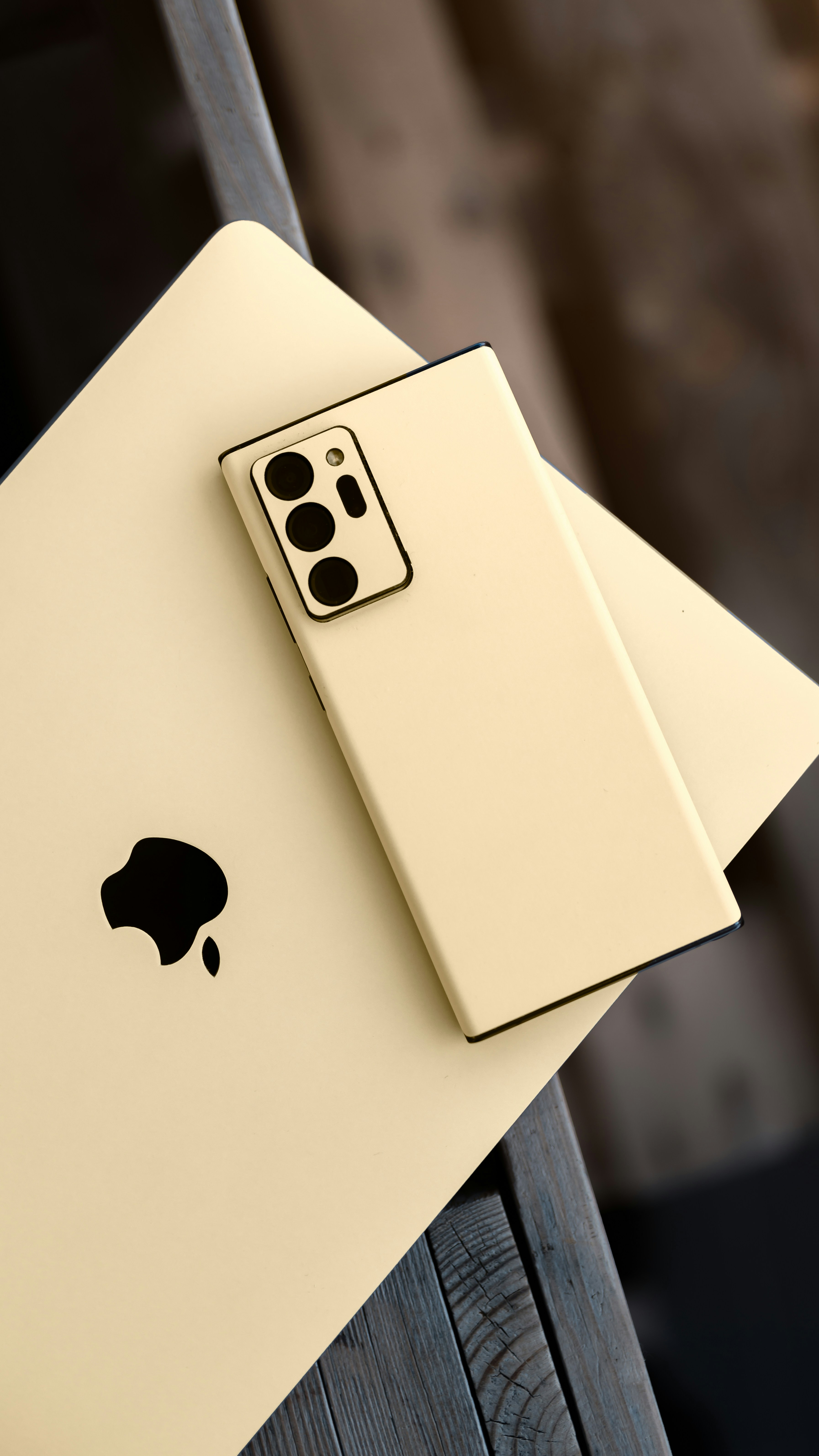
For more than a decade, the competition between Apple and Samsung has shaped the direction of the global smartphone industry. These two companies dominate conversations about performance, design, innovation, and user experience, with loyal followings on both sides. Understanding how each brand approaches technology can help consumers make better decisions when choosing their next device. This detailed comparison explores everything from product ecosystems to camera performance, software updates, pricing, and long-term value.
Understanding the Legacy of Apple and Samsung
Apple and Samsung have followed very different paths to achieve their current standing in the technology world. Apple entered the smartphone market with a revolutionary vision focused on simplicity, integration, and premium-quality devices. Samsung, on the other hand, built its success through hardware variety, rapid innovation cycles, and offering choices across a wide price range.
Apple’s Philosophy
Apple has traditionally emphasized a tightly integrated system. Every device, from iPhones to MacBooks, is designed to work seamlessly together. This focus on cross-compatibility builds a cohesive environment that appeals to users who prioritize smooth functionality with minimal configuration. Hardware and software are developed under the same roof, giving Apple greater control over performance, security, and updates.
Samsung’s Philosophy
Samsung’s approach centers on flexibility and innovation. With a broader product lineup, the company caters to more customer segments, from budget-friendly models to cutting-edge foldables. Samsung also pushes boundaries with features like advanced displays, fast charging technologies, and larger hardware options. Its openness to customization and variety appeals to users who prefer more control over how their devices function.
Design and Build Quality
Both brands take pride in creating visually appealing devices, yet their approaches differ significantly.
Apple’s Design Approach
Apple maintains a consistent, minimalist aesthetic. Clean lines, premium materials, and balanced weight distribution characterize its devices. Whether examining the iPhone, iPad, or even accessories, there is a continuity that instantly identifies the product as Apple-made. The company rarely introduces radical design changes; instead, it refines its existing models year after year.
Samsung’s Design Approach
Samsung emphasizes versatility. From standard slab designs to foldable screens and curved edges, it often experiments with new formats. The company also uses high-end materials in its flagship phones, but it varies design styles more frequently than Apple. This approach allows Samsung to target users who desire fresh or unique hardware layouts.
Software Experience: iOS vs Android
Perhaps the most defining difference between the two companies lies in their operating systems.
Apple’s iOS Ecosystem
iOS is designed with simplicity and efficiency in mind. The user interface remains uncluttered, and performance is optimized for long-term stability. Apple prioritizes privacy protections, regular updates, and intuitive navigation. The ecosystem also ensures that apps are highly optimized because developers work with a limited number of device configurations.
Samsung’s Android Experience
Samsung’s mobile devices run on Android, enhanced by its custom interface known as One UI. This layer provides additional features such as advanced multitasking, deep customization settings, and flexible control options. Android appeals to users who enjoy tailoring their phones, choosing default apps, or personalizing layouts. Samsung also supports integration with Google services, making the devices attractive for those heavily invested in the Android ecosystem.
Performance and Hardware Capabilities
Both companies deliver powerful smartphones, but their strategies differ regarding chipsets and hardware innovation.
Apple’s Chipset Advantage
Apple designs its own processors, allowing unmatched synergy between hardware and software. This results in high performance, excellent energy efficiency, and strong longevity. Apple’s chips typically outperform competitors in single-core tasks and long-term stability, making them ideal for demanding apps and extended usage.
Samsung’s Hardware Variety
Samsung uses different chipsets depending on the region, including its Exynos line or Qualcomm’s Snapdragon processors. While Snapdragon chips are generally praised for power and efficiency, Samsung’s use of varied processors gives buyers more options. Additionally, Samsung is known for superior display technology, often leading the market with AMOLED panels and high refresh rates.
Camera Capabilities: A Closer Look
Smartphone cameras are crucial for modern users, and both brands invest heavily in photography innovation.
Apple’s Camera System
Apple emphasizes natural color tones, consistent exposure, and reliable performance in varied lighting conditions. Its computational photography techniques deliver lifelike photos with minimal adjustment needed from the user. Video recording is one of Apple’s biggest strengths, offering smooth footage and advanced stabilization that appeals to content creators.
Samsung’s Camera System
Samsung takes a more advanced hardware-driven approach. High megapixel counts, wider zoom ranges, and specialized camera sensors provide flexibility for photography enthusiasts. The company frequently offers more camera features, including enhanced night modes, multiple shooting angles, and robust zoom capabilities. Samsung’s images tend to be vibrant and high-contrast, which may appeal to users who prefer bold aesthetics.
Battery Life and Charging Technology
Battery performance plays a significant role in user satisfaction.
Apple’s Battery Performance
Apple focuses on power efficiency rather than extreme battery capacity. iOS’s optimization helps deliver long-lasting usage even on smaller batteries. The company is slower to adopt fast charging but maintains a reliable approach that prioritizes battery health and longevity.
Samsung’s Charging Innovation
Samsung devices typically include larger batteries and faster charging technologies, including high-wattage wired charging and advanced wireless charging options. Some models emphasize rapid recharge times, giving Samsung an advantage for users who value convenience.
Device Ecosystems and Connectivity
Both brands offer full ecosystems that extend beyond smartphones.
Apple’s Unified Ecosystem
Apple’s ecosystem is known for seamless connectivity between devices. Features like AirDrop, iCloud syncing, universal copy-paste, and automatic device switching create a unified digital environment. Accessories such as Apple Watch and AirPods further enhance the ecosystem.
Samsung’s Multi-Platform Ecosystem
Samsung integrates smartphones with laptops, tablets, wearables, and even home appliances. Features like Samsung DeX allow a mobile device to function as a desktop-style interface. The company also collaborates widely with other brands, providing more flexibility for users who mix different manufacturers’ products.
Price Comparison and Value
Pricing is a major consideration for many buyers.
Apple’s Pricing Strategy
Apple positions its devices at the premium tier. While the initial cost is higher, resale value remains strong due to long-term support and brand demand. Users who prioritize longevity or prefer an all-in-one ecosystem often see Apple products as a worthwhile investment.
Samsung’s Pricing Strategy
Samsung offers a wide spectrum of prices. From budget-friendly models to ultra-premium foldable phones, customers can find a device that fits their budget. Samsung also frequently discounts models post-launch, making them more accessible.
Security and Privacy
Security practices differ significantly between the two companies.
Apple’s Privacy Focus
Apple builds privacy into its core philosophy. It limits tracking, protects data in secure enclaves, and restricts app permissions. This approach makes Apple devices appealing to users who prioritize confidentiality.
Samsung’s Security Enhancements
Samsung uses Knox, a robust hardware-level security solution designed to protect data from threats. While Android is more open than iOS, Samsung has implemented a range of tools to enhance user privacy and secure sensitive information.
Future Outlook for Both Brands
Technology continues to evolve rapidly, and both companies aim to stay ahead of trends.
Apple’s Future Direction
Apple is expected to continue refining its ecosystem, enhancing performance, and expanding into areas like augmented reality, health technologies, and new device categories. The company prioritizes slow and steady innovation with high reliability.
Samsung’s Future Direction
Samsung will likely remain aggressive in experimenting with flexible screens, wearable tech, and AI-driven features. It continues to push boundaries in display innovation, sustainability, and hardware expansion.
Conclusion: Which Brand Is Better?
Choosing between Apple and Samsung depends entirely on user priorities. Apple excels in simplicity, seamless integration, and consistent performance across its ecosystem. Samsung stands out with innovation, customization, hardware variety, and advanced display technologies.
For users who prefer a controlled environment with minimal configuration, Apple may be the ideal choice. Those who enjoy freedom, variety, and cutting-edge technologies may lean toward Samsung.
Both companies offer exceptional devices, and the best choice ultimately comes down to personal preference and how each brand aligns with an individual’s lifestyle.
