


Introduction
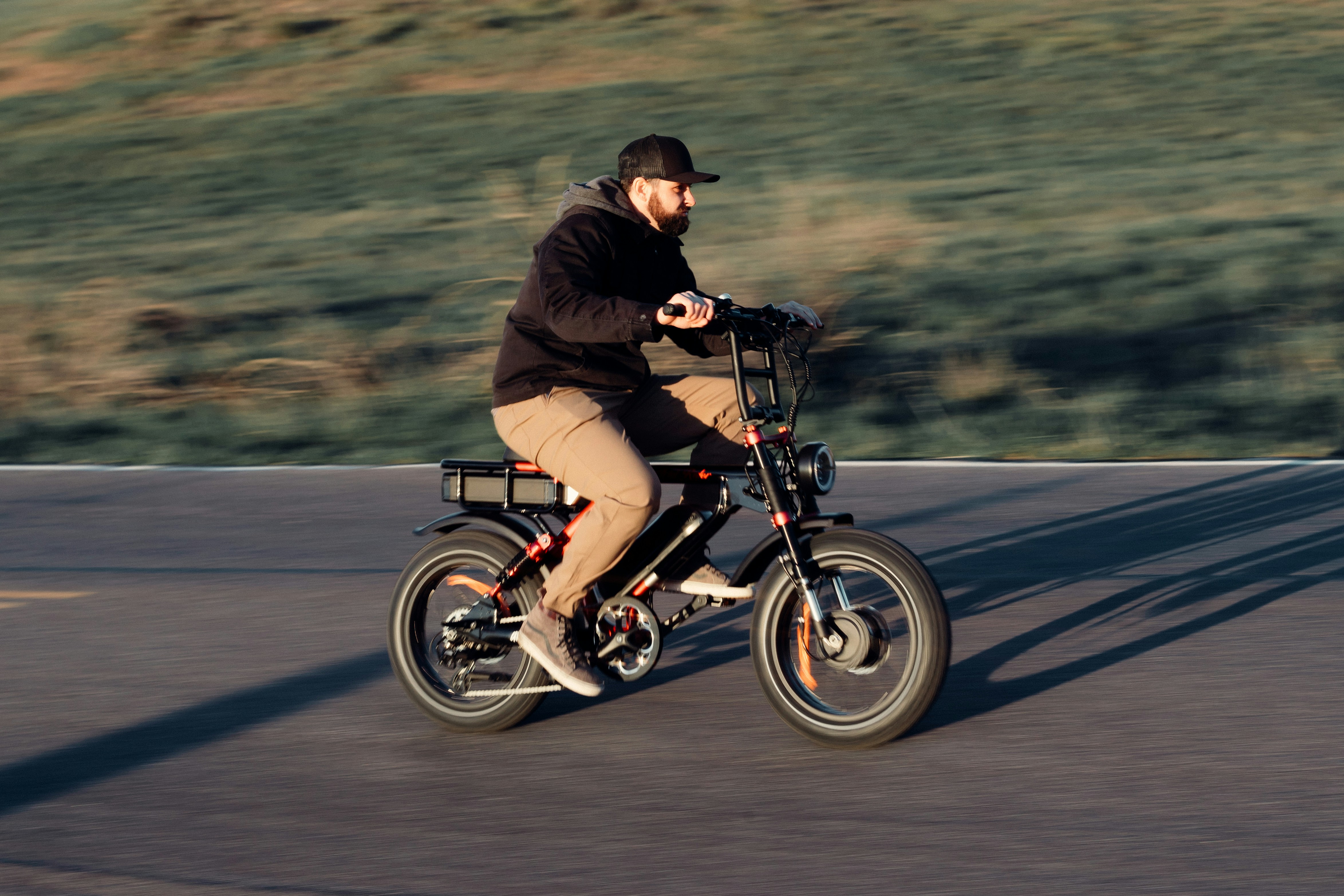
Electric bikes have transformed modern transportation, offering an efficient, eco-friendly, and versatile way to travel. From daily commutes to off-road adventures, electric bikes provide the convenience of cycling with the added support of electric power. As battery technology continues to evolve, these bikes have become more affordable, more powerful, and more widely used around the world.
This comprehensive guide explores everything you need to know before purchasing an electric bike—from how they work and how much they cost to licensing requirements and performance capabilities. Whether you are considering an electric bike for adults, looking into off-road models like an electric dirt bike, or simply curious about e bike eléctrica options, this article covers all the essential information.
Understanding Electric Bikes
What Is an Electric Bike?
An electric bike is a bicycle equipped with an integrated electric motor and battery system designed to assist with pedaling. The rider can choose how much support they want, allowing them to travel greater distances, ride faster, and climb hills with less effort. These bikes maintain all the features of traditional bicycles but offer more versatility and comfort.
Types of Electric Bikes
Electric bikes come in various models depending on their purpose and design.
Commuter Electric Bikes
These are built for city riding, daily travel, and errands. They often include comfortable seats, built-in lights, and durable tires suitable for pavement.
Electric Bikes for Adults
Adult electric bikes typically feature stronger motors, larger frames, and higher battery capacity to handle longer rides and heavier weight loads.
Electric Dirt Bikes
Unlike traditional bikes, electric dirt bikes are designed for off-road use. They feature rugged frames, powerful motors, and aggressive tires built for trails, hills, and rough terrain.
Folding Electric Bikes
Compact and portable, these bikes fold for easy storage and are ideal for apartment living or combining cycling with public transportation.
Cargo Electric Bikes
These sturdy bikes are built for carrying loads, making them perfect for families, small businesses, or eco-friendly deliveries.
E Bike Eléctrica
This term refers broadly to electric bicycles in Spanish-speaking regions. These bikes follow the same engineering principles and are popular in urban and rural areas alike.
How Electric Bikes Work
The Motor System
Electric bikes use a small motor to provide additional power while pedaling. The motor may be located:
- In the rear wheel hub
- In the front wheel hub
- In the mid-drive position (between the pedals)
Mid-drive motors are often considered the most efficient, especially for climbing hills or carrying heavier loads.
The Battery
The battery is one of the most critical components. Most electric bikes use lithium-ion batteries due to their lightweight structure and long lifespan. The battery powers the motor, lights, and display. Depending on the model, the battery may be removable for easier charging or integrated into the frame for a cleaner appearance.
The Pedal Assist System
Electric bikes typically feature a pedal assist system, which activates the motor when the rider starts pedaling. Riders can choose from multiple assist levels, ranging from a light boost to substantial power support. This system allows riders to customize their experience for comfort or performance.
Throttle Control
Some electric bikes include a throttle, which allows the motor to propel the bike without pedaling. This feature is common in electric dirt bikes or models designed for quick acceleration.
Electronic Display
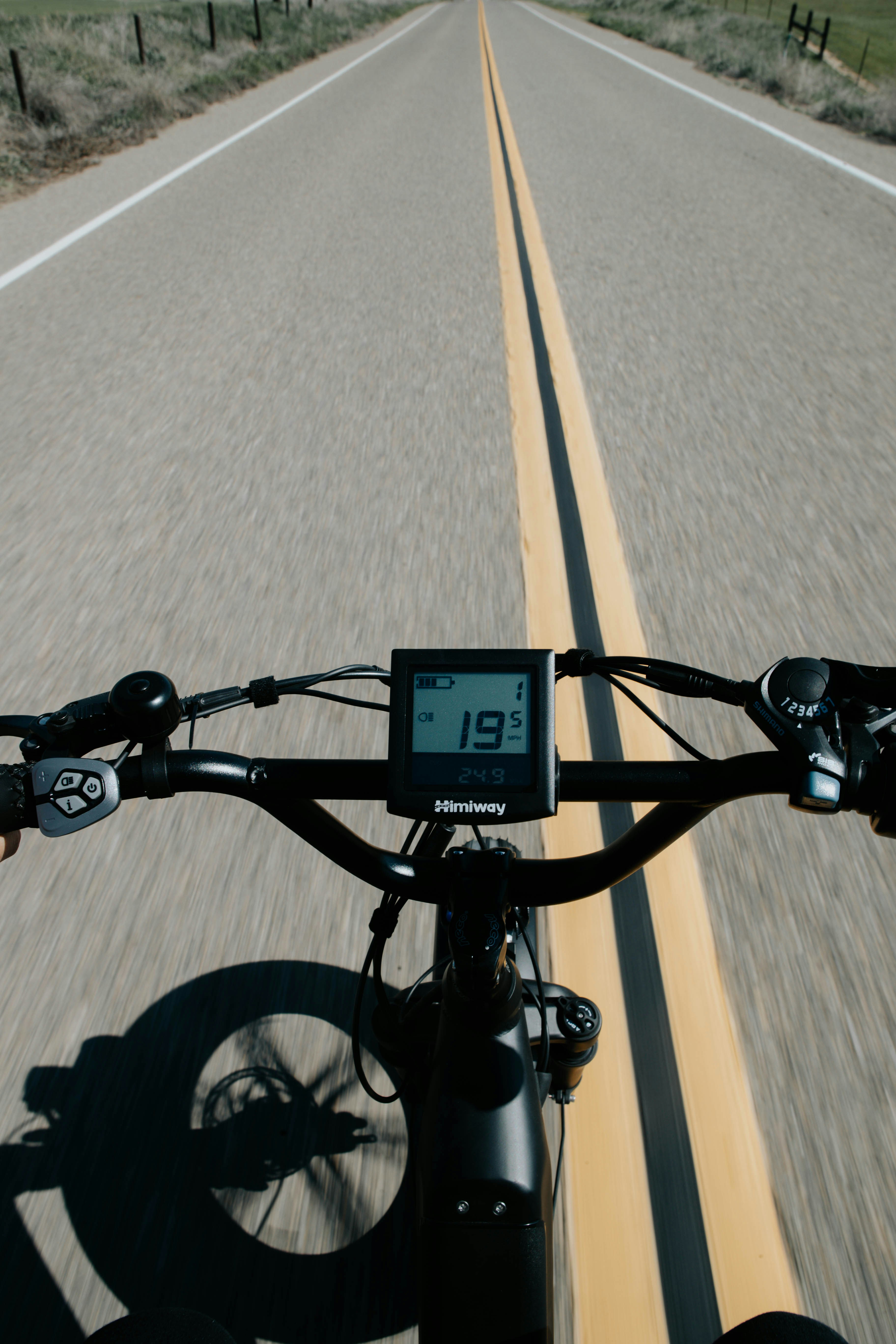
Most electric bikes include a display showing:
- Speed
- Battery level
- Assist level
- Trip distance
- Mode selection
This helps riders manage power usage and optimize their ride.
How Fast Can an Electric Bike Go?
Top Speed of Most Electric Bikes
Electric bikes vary significantly in speed depending on their motor power and design. Most consumer electric bikes reach speeds of 20 mph to 28 mph with pedal assistance. These limits are usually set to comply with safety regulations and traffic laws.
Electric Dirt Bike Speed
Electric dirt bikes tend to be more powerful and may exceed 30 mph or more, depending on the model. Because these bikes are designed for off-road use, manufacturers often prioritize torque and acceleration.
Factors That Affect Speed
- Rider weight
- Terrain
- Assist level
- Battery charge
- Motor wattage
Higher wattage motors generally support higher top speeds and better hill-climbing ability.
How Much Are Electric Bikes?
Average Prices
Electric bike prices vary widely based on performance, materials, and features. Budget-friendly models start at a few hundred dollars, while premium high-performance electric bikes can cost several thousand.
Entry-Level Electric Bikes
Basic commuter models offer essential features at an affordable price. They are excellent for light daily use but may have shorter battery life or lower top speeds.
Mid-Range Electric Bikes
These models balance quality and price, offering stronger motors, longer battery life, and more comfort features. Many electric bikes for adults fall within this range.
High-End or Premium Models
These bikes feature powerful motors, long-range batteries, advanced displays, and premium materials. Electric dirt bikes, long-range commuter bikes, and cargo models often fit in this category.
Additional Costs
Beyond the bike itself, buyers should factor in:
- Helmets and safety gear
- Maintenance and parts
- Replacement batteries
- Charging equipment
Although electric bikes may have higher upfront costs than traditional bicycles, they are far cheaper to operate than cars or motorcycles, making them an economical long-term choice.
How Much Is an Electric Bike to Maintain?
Electric bikes are generally inexpensive to maintain. The largest expense over time is usually battery replacement, which may be necessary after several years of regular use. Routine maintenance includes tire replacement, brake adjustments, chain lubrication, and occasional tune-ups.
Do You Need a License for an Electric Bike?
Whether a license is required depends on local laws and the classification of the electric bike.
Classifications That Affect Licensing
Many regions categorize electric bikes based on their speed and motor limitations:
Class 1
Pedal assist only, with a maximum speed of around 20 mph. No license is typically needed.
Class 2
Throttle-assisted bikes capped at similar speeds. Often also allowed without a license.
Class 3
Pedal assist up to higher speeds, generally around 28 mph. Some areas may require a minimum age or additional safety precautions.
Electric Dirt Bikes
These off-road models often exceed typical electric bike speed limits and may not fall under the same legal categories. They usually require licensing if used on public roads.
General Rule
Most standard electric bikes designed for commuting do not require a driver’s license, registration, or insurance. However, because laws vary, riders should check regulations in their region before purchasing or riding.
The Benefits of Owning an Electric Bike
Eco-Friendly Transportation
Electric bikes produce zero emissions during operation, reducing overall environmental impact. They use renewable electricity when charged through solar or other clean sources.
Affordable Alternative to Cars
With rising fuel costs, electric bikes offer a practical, low-cost way to commute without sacrificing convenience.
Fitness and Health
Riders still pedal, gaining exercise while enjoying the support of electric assistance. This makes cycling accessible to adults of all ages and abilities.
Ease of Commuting
Electric bikes help bypass traffic, reduce travel time, and eliminate parking hassles.
Fun and Versatile
Whether exploring trails on an electric dirt bike or enjoying smooth city rides, electric bikes add excitement to everyday transportation.
Choosing the Right Electric Bike
Evaluate Your Riding Needs
Consider how and where you plan to ride:
- City streets
- Off-road trails
- Long-distance commutes
- Cargo hauling
- Fitness riding
This will help narrow down the best type of electric bike for your lifestyle.
Battery Range
Estimate how far you typically ride and choose a battery with enough capacity. Larger batteries support longer rides but increase cost and weight.
Motor Power
Higher wattage motors provide stronger acceleration and better hill performance. However, they also consume more battery power.
Comfort and Fit
Ensure the bike frame suits your height and riding posture. Adjustable handlebars and seats improve long-distance comfort.
Conclusion
Electric bikes have become one of the most exciting advancements in modern transportation. From city-ready models to rugged electric dirt bikes built for adventure, these bikes offer a flexible and efficient way to travel. Understanding how electric bikes work, how much they cost, licensing rules, and their performance capabilities will help you make an informed decision before buying.
As technology continues to evolve, electric bikes are becoming faster, more affordable, and more capable than ever. Whether you’re looking for an electric bike for adults, exploring e bike eléctrica options, or deciding between commuter models and off-road machines, there’s an electric bike for every type of rider.
